

Table of Contents
ToggleShould You Take a Personal Support Worker (PSW) Program at Age 36 for Your Canada Study Visa and PR?
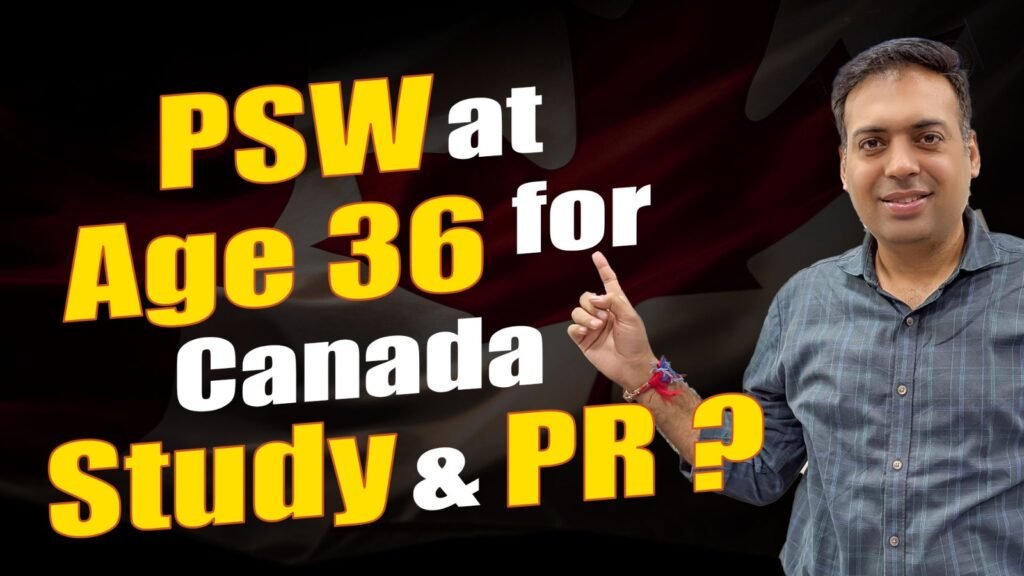
If you’re planning your Canada immigration journey and have come across the Personal Support Worker (PSW) program, you might be wondering — “Can I take this course at age 36 to reach Canada and get my PR?”
At Globexa Immigration, we receive many inquiries from students and working professionals who want to use the PSW program as a shortcut to Canada PR. While it’s a valuable program, the truth is — it’s not the right choice if you’re applying from outside Canada, especially for a study visa at age 36. Let’s break this down in detail.
1. What Is a Personal Support Worker (PSW) Program?
The Personal Support Worker (PSW) program is a short course typically ranging from 6 months to 8 months. Short courses in Canada can last anywhere between a few weeks to six months and are designed to help individuals upskill or change professions quickly.
Common short courses that help with Canada PR pathways include:
Personal Support Worker (PSW)
Pharmacy Assistant
Early Childhood Education Assistant
However, these courses are only beneficial if you are already inside Canada and hold a valid study permit, work permit, or any other legal status.
2. Why PSW and Other Short Courses Are NOT for Applicants Outside Canada
If you are applying for a Canada study visa from outside the country, you cannot use PSW or other short courses as your primary program of study.
Here’s why:
Short courses (6 months or less) are not eligible for a study visa.
Even if you manage to get admission, these courses won’t make you eligible for a post-graduate work permit (PGWP).
After completing a PSW course, you need Canadian work experience to qualify for PR. If you’re not in Canada, gaining that experience becomes impossible.
In short, if you are outside Canada, PSW is not a valid study pathway for you.
3. Example: A 36-Year-Old Applying for a PSW Course
Recently, someone asked if they could apply for a Personal Support Worker program at age 36 to get a study visa and eventually Canada PR.
While the intention — to get PR — is understandable, this path doesn’t work. Here’s why:
The PSW program (6–8 months) is too short to qualify for a study visa.
You need a minimum 8-month PG Diploma or a Master’s program for a successful study visa approval.
There is no PG Diploma in PSW. So, you cannot use PSW as your main study program.
4. What Should You Do Instead?
If your goal is to reach Canada and get PR, then your study plan should depend on your age, education, and marital status.
✅ If You Are 36 and Already Have a Bachelor’s Degree:
Go for a Post-Graduate (PG) Diploma or a Master’s degree.
Avoid UG Diploma or short-term certificates — they’ll likely lead to a visa refusal.
✅ If You Are Married:
Choose a 2-year Master’s program.
This makes your spouse eligible for a Spousal Open Work Permit (SOWP), and you can both benefit from Canadian work experience.
✅ If You Are Single:
You can choose either a 1-year or 2-year PG Diploma or a Master’s program.
5. How PSW Can Help You AFTER Reaching Canada
Once you’re inside Canada on a valid study permit or work permit, short courses like PSW become valuable.
You can complete the 6-month PSW program alongside your main PG Diploma or Master’s degree.
After that, you can:
Work in a healthcare support role.
Gain 6 months of Canadian work experience.
Become eligible for Permanent Residency (PR) through streams like:
RCIP (Regional and Community Immigration Programs)
International Student Stream
Special Category Draws
This way, your PSW certification adds value to your PR profile, but only after you are already in Canada.
6. Example Pathway to PR Using PSW
Apply for a PG Diploma or Master’s program → Get your study visa.
While studying, complete a 6-month short course (PSW, Pharmacy Assistant, etc.).
Start working part-time or during breaks in the same field to gain experience.
After your graduation, apply for a Post-Graduate Work Permit (PGWP).
Continue gaining experience — your score can reach 460–480 CRS points, making you eligible for PR.
So, PSW is not the pathway to a study visa, but it can be a supportive pathway to Canada PR once you’re in the country.
7. Important Takeaways
❌ Don’t apply for a PSW or any short course from outside Canada.
✅ Apply for a PG Diploma or Master’s to get a study visa.
✅ Once inside Canada, you can take a short course to add value and become eligible for PR.
❌ Don’t apply for a UG Diploma if you already have a bachelor’s — it often leads to refusal.
✅ Married candidates should prefer a 2-year Master’s for better visa and PR outcomes.
Conclusion
Short courses like Personal Support Worker (PSW) are great tools to gain Canadian work experience and strengthen your PR application — but only if you are already inside Canada.
At Globexa Immigration, we help students and professionals design the right study-to-PR pathway, customized to their age, education, and goals.
If you are inside Canada and want to explore short courses for PR, or if you are outside Canada and need study visa guidance, contact Globexa Immigration today.
